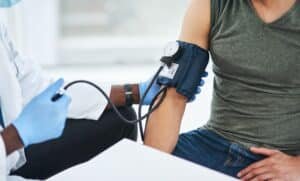
 High blood pressure, or hypertension, affects around one in three adults in the UK. Yet most of them have no idea. There are no warning signs, no pain, and often no reason to suspect anything is wrong. You can feel completely healthy and still have blood pressure that is quietly damaging your heart, arteries, and organs.
That is why doctors call it the silent killer.
This post explains what high blood pressure does to the body, why it causes harm without any symptoms, who is most at risk, and what UK research is doing to help.
What Is Blood Pressure and What Does “High” Mean?
Blood pressure is the force your blood puts on the walls of your arteries as your heart pumps it around your body. It is measured using two numbers, written like a fraction. The first (systolic) measures pressure when your heart beats. The second (diastolic) measures pressure when your heart rests between beats. Both are given in millimetres of mercury (mmHg).
| Blood Pressure Reading | What It Means |
| Below 90/60 mmHg | Low blood pressure |
| 90/60 to 120/80 mmHg | Ideal blood pressure |
| 120/80 to 140/90 mmHg | Slightly raised, worth monitoring |
| 140/90 mmHg or above | High blood pressure (hypertension) |
| 180/120 mmHg or above | Very high, needs urgent attention |
According to the NHS, a reading of 140/90 mmHg or above is considered high in adults under 80. For those aged 80 and over, the threshold is 150/90 mmHg.
Why Does High Blood Pressure Have No Symptoms?
This is the question that surprises most people. Surely your body would warn you if something was wrong?
The damage caused by high blood pressure happens slowly. Your arteries are resilient and can cope with extra pressure for a long time before any problem develops. By the time symptoms appear, it is usually because a serious event, such as a heart attack or stroke, has already occurred.
In rare cases, very high blood pressure can cause headaches, blurred vision, or nosebleeds. But these are uncommon and are not a reliable warning sign. Most people with hypertension feel no different from someone with perfectly normal blood pressure. Without regular testing, there is no way to know.
What Does High Blood Pressure Do to the Body?
When blood pressure stays high for a long time, it puts continuous stress on artery walls. Healthy arteries are flexible and smooth. High blood pressure can cause them to thicken and stiffen, making it harder for blood to flow freely. It also speeds up the build-up of fatty deposits inside the arteries, narrowing them further.
The knock-on effects can reach almost every part of the body.
Heart: The heart has to work harder to push blood through narrowed arteries. Over time, this can cause the heart muscle to thicken and weaken, raising the risk of heart failure.
Brain: If blood supply to the brain is cut off, either by a blockage or a burst vessel, this causes a stroke. High blood pressure is one of the leading causes of stroke in the UK.
Kidneys: The kidneys rely on a healthy blood supply to filter waste. Damage to the surrounding blood vessels can lead to chronic kidney disease.
Eyes: Sustained high pressure can damage the tiny blood vessels in the eyes, sometimes causing vision problems or sight loss.
Who Is Most at Risk?
High blood pressure can affect anyone, but some factors make it more likely. Blood pressure tends to rise with age, which is why adults over 40 are advised to have it checked at least every five years. A family history of hypertension also increases your risk.
Lifestyle plays a significant role, and many of these factors can be changed. Eating too much salt, being overweight, not doing enough exercise, drinking too much alcohol, and smoking can all push blood pressure higher. People from Black African and Black Caribbean backgrounds are also at greater risk, often developing hypertension at a younger age.
In around one in ten cases, high blood pressure is caused by an underlying condition such as kidney disease, diabetes, or a hormone disorder.
How Is Hypertension Managed?
For many people, lifestyle changes make a real difference. Eating less salt, losing weight, being more active, and cutting back on alcohol can all help bring blood pressure down.
When lifestyle changes are not enough, medication is prescribed. There are several types of blood pressure medicines, and doctors choose the most suitable based on a person’s age, ethnicity, and other health conditions. Regular monitoring, whether at a GP surgery, a pharmacy, or at home with a monitor, helps to make sure treatment is working.
What Is UK Clinical Research Doing to Help?
Current treatments work well for many people, but there is still a need for better options. Some participants do not respond well to existing medications, and long-term blood pressure management remains a challenge for a significant number of people. You can read more about how clinical research affects patient care and why it matters.
4 Medical Clinical Solutions (4MCS) is running a hypertension clinical trial at clinic sites in Manchester and London. If you have been diagnosed with high blood pressure and would like to know whether you could be eligible, find out more about how to take part in a hypertension trial in the UK. Trials do not pay participation fees, but travel expenses are covered, and all participants are supported by a trained clinical team throughout.