 Fatty liver disease and type 2 diabetes turn up together more often than you might think. If you have been told you have one of these conditions, there is a good chance your doctor has also mentioned the other. But why are they so closely connected? This article explains what links them, in plain and simple terms.
What is fatty liver disease?
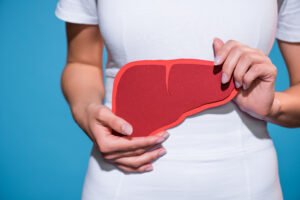
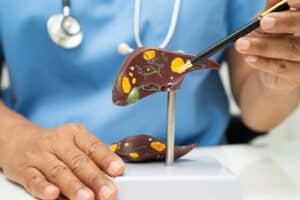
Fatty liver disease, also known as MASLD (metabolic dysfunction-associated steatotic liver disease) or NAFLD (non-alcoholic fatty liver disease), happens when too much fat builds up in the liver. A healthy liver should have little or no fat in it at all.
In most people, this build-up of fat does not cause any noticeable symptoms to begin with. That is one of the reasons it can go unnoticed for a long time. You can read more about the condition on our fatty liver disease information page.
What is type 2 diabetes?
Type 2 diabetes is a condition where the body cannot use insulin properly, or does not make enough of it. Insulin is a hormone that helps control the amount of sugar (glucose) in your blood. When insulin does not work as it should, blood sugar levels can rise too high.
Why are fatty liver disease and type 2 diabetes linked?
The main reason these two conditions so often appear side by side comes down to something called insulin resistance.
Insulin resistance happens when the body’s cells stop responding properly to insulin. To make up for this, the pancreas produces more insulin. Over time, this extra insulin can encourage the liver to store more fat than it should, which can lead to fatty liver disease. At the same time, insulin resistance is one of the main causes of type 2 diabetes.
Carrying extra weight, particularly around the stomach, is another shared cause. Excess weight increases the risk of insulin resistance, which then raises the risk of both fatty liver disease and type 2 diabetes.
Because these conditions share the same root causes, having one raises the risk of developing the other. Studies suggest that people with type 2 diabetes are considerably more likely to also have fatty liver disease, and the reverse is true too.
Shared risk factors
Here is a quick look at the main factors that raise the risk of both conditions.
| Risk factor | Effect on fatty liver disease | Effect on type 2 diabetes |
| Carrying extra weight | Increases fat stored in the liver | Increases insulin resistance |
| Insulin resistance | Encourages fat build-up in liver cells | Main underlying cause |
| Low physical activity | Raises risk of fat storage | Raises blood sugar levels |
| Unbalanced diet | Contributes to liver fat build-up | Contributes to poor blood sugar control |
| High blood pressure or cholesterol | Often appears alongside fatty liver disease | Commonly appears alongside type 2 diabetes |
Does having one condition make the other worse?
Yes, in many cases. If blood sugar levels are not well managed, this can put extra strain on the liver. Likewise, if fatty liver disease progresses, it can make it harder for the body to control blood sugar, which can make type 2 diabetes more difficult to manage.
This is why doctors often check for both conditions together rather than looking at them in isolation. According to the NHS, non-alcoholic fatty liver disease increases the risk of several related health problems, including type 2 diabetes, and managing weight and lifestyle can help reduce this risk. You can read the full guidance on the NHS non-alcoholic fatty liver disease page.
Can the link be managed?
The good news is that many of the shared causes behind fatty liver disease and type 2 diabetes can be managed with lifestyle changes. Small, steady steps such as eating a balanced diet, staying active, and reaching a healthy weight can improve both conditions at the same time.
If you are unsure where to start, it is always best to speak with a GP or healthcare professional first. They can give advice suited to your own health and circumstances. Our article on what you should know before participating in a clinical trial also covers some helpful background if you are thinking about getting involved in research.
Taking part in fatty liver disease research
4MCS runs fatty liver disease clinical trials in the UK, looking into new approaches for managing the condition. Taking part could help researchers better understand the link between fatty liver disease and conditions like type 2 diabetes, while also contributing to future treatments.
Trials are unpaid, but any travel expenses are covered. If you think you might be eligible, you can find out more on our fatty liver disease trial page.
Got questions about how clinical trials work? Our FAQ page covers the basics, from what to expect at your first visit to how long a trial might last.