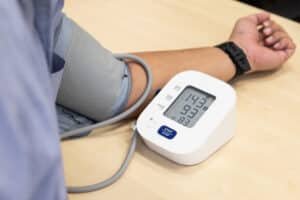
As the days get shorter and the temperature drops, most of us reach for a thicker coat. What many people do not realise is that the cold can also affect what is going on inside the body. Blood pressure tends to be higher in the colder months than in summer, and for people who already have high blood pressure, this can be a real concern.
In this post, we will explain the link between cold weather and blood pressure in simple terms, look at the everyday winter habits that can push your readings up, and share some easy ways to look after your heart until spring. We will also tell you about our current hypertension research in London and Manchester.
What is blood pressure?
Blood pressure is the force of your blood pushing against the walls of your blood vessels as your heart pumps it around your body. A bit of pressure is normal and needed. Problems start when that pressure stays too high for too long, because it makes your heart work harder and can damage your blood vessels over time.
If you would like to understand the basics first, our simple guide to high blood pressure explains what the numbers mean and why they matter.
Cold weather and blood pressure: what is the link?
When you get cold, your body works hard to keep its inside warm. One of the ways it does this is by making the small blood vessels near your skin narrower. This keeps warm blood closer to your vital organs, such as your heart and brain.
The problem is that narrower blood vessels leave less room for blood to flow. Think of a garden hosepipe. If you squeeze the end, the water pushes out with more force. The same thing happens in your body. Your heart has to pump harder to push blood through tighter vessels, and your blood pressure goes up.
For most healthy people, this is a short-term change that settles once they warm up. But if you spend a lot of time in the cold, or your home is not heated well, your blood pressure can stay higher for longer. This puts extra strain on your heart, which is one reason heart attacks and strokes are more common in winter.
Winter habits that can push your blood pressure up
The cold itself is not the only reason. Winter also changes the way we live, and some of these changes can raise blood pressure too.
| Winter factor | What it can do | What can help |
| Cold temperatures | Makes blood vessels narrower, so your heart has to pump harder | Heat the rooms you use most, wear layers and keep your hands, feet and head covered outside |
| Moving less | Less exercise can lead to higher blood pressure and weight gain | Try indoor activities, short brisk walks in daylight or stretching at home |
| Comfort food | Salty and fatty winter meals can raise blood pressure | Cook with less salt and add more vegetables to soups and stews |
| More alcohol over the festive season | Drinking more than usual can raise blood pressure | Stick to the recommended limits and have alcohol-free days |
| Colds and flu | Being unwell puts extra stress on your body and heart | Wash your hands often and ask your GP or pharmacist about winter vaccines |
| Stress and poor sleep | Busy holidays and dark mornings can affect rest and mood | Keep a regular bedtime and make time to relax |
You can read more about how stress and poor sleep affect your heart in our earlier post.
Why you might not notice it
One of the tricky things about blood pressure is that you usually cannot feel it. Many people have high blood pressure with no symptoms at all, which is why it is sometimes called a “silent” condition. You could feel completely fine while your readings are creeping up during the colder months.
The only way to know for sure is to get your blood pressure checked. You can do this at your GP surgery, at many pharmacies, or at home with a blood pressure monitor. If you already take medicine for high blood pressure, it is a good idea to check your readings a little more often in winter and talk to your doctor if they keep going up.
Simple ways to protect your heart this winter
You do not need to make big changes. A few small steps can make a real difference.
Keep your home warm. Try to heat the rooms you use most, such as your living room and bedroom. The NHS advice on keeping warm in winter suggests a temperature of at least 18°C where you can, especially if you have a health condition.
Wrap up when you go out. Several thin layers keep you warmer than one thick layer. A hat, gloves, and a scarf help stop heat escaping.
Keep moving. Even 10 minutes of activity a few times a day helps. If it is too cold or icy outside, try walking up and down the stairs, dancing to music or following an exercise video at home.
Watch the salt. Winter favourites such as soups, gravies and ready meals can be high in salt. Check food labels and try herbs and spices for flavour instead.
Do not stop your medicine. If you take blood pressure tablets, keep taking them as your doctor has told you, even if you feel well.
Our hypertension research
At 4MCS, we are currently running a hypertension clinical trial called the ZENITH study. It is looking at an investigational medicine to see whether it may help lower the risk of serious heart problems, such as heart attack and stroke, in people whose high blood pressure is not well controlled.
You may be able to take part if you:
- are 18 or older
- have high blood pressure that is not well controlled, with a top number (systolic) above 145
- have been taking blood pressure medicine for at least two months
- have heart or blood vessel disease, or are at high risk of developing it
Participants are looked after by our friendly, experienced research team at every stage, with regular health checks throughout the study.
Find your nearest clinic
We run clinical trials from our clinics in London and Manchester, with friendly staff on hand to support participants at every step.
To see what is currently recruiting, visit our current clinical trials page, or call our team free on 03300 575 838.
FAQ:
Is 140/90 BP normal in winter?
Blood pressure often rises a little in colder months, but a reading of 140/90 or higher counts as high blood pressure all year round, so it’s worth getting it checked by your GP or pharmacist.
What foods will bring blood pressure down fast?
No food lowers blood pressure quickly, but eating more foods rich in potassium and fibre, such as bananas, leafy greens, beetroot, beans and oats, while cutting down on salt can help bring it down over a few weeks.
Can drinking lots of water lower blood pressure?
Drinking enough water helps your heart and blood vessels work well, but drinking lots of water on its own is unlikely to lower high blood pressure by much.
What exercise can I do to lower my blood pressure in 10 minutes?
A brisk 10-minute walk can lower your blood pressure slightly for a short time, but regular activity most days of the week does much more to keep it down over time.
This article is for general information only and is not a substitute for medical advice. If you are worried about your blood pressure, or you notice changes in your health, please speak to your GP or a qualified healthcare professional.