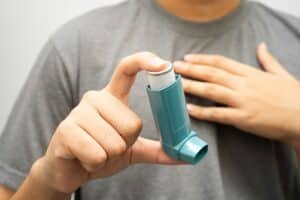
 Asthma affects millions of people in the UK. For most people with the condition, symptoms do not appear out of nowhere. Something sets them off. These are called triggers, and knowing what yours are is one of the most useful things you can do to stay on top of your asthma.
In this guide, we cover the most common asthma triggers, how they affect your airways, and simple steps you can take to reduce their impact.
What Happens When a Trigger Sets Off Asthma?
When you come into contact with a trigger, your airways react. The muscles around them tighten, the lining becomes swollen, and the airways start to produce more mucus. This makes the airways narrower, which is what causes the familiar symptoms: wheezing, coughing, a tight chest, and shortness of breath.
Not everyone reacts to the same triggers. Some people are affected by several, others by just one or two. For more background on how these symptoms develop, read our article on understanding asthma symptoms.
The Most Common Asthma Triggers
1. Dust Mites
Dust mites are tiny creatures that live in bedding, carpets, soft furnishings, and stuffed toys. They are one of the most common indoor triggers for people with asthma. You cannot see them, but their droppings can irritate the airways.
Tips to reduce exposure:
- Wash bedding at 60°C every week
- Use dust-mite-proof covers on mattresses and pillows
- Vacuum regularly using a vacuum with a HEPA filter
- Reduce clutter where dust can gather
2. Pollen
Pollen from trees, grass, and weeds is a common outdoor trigger, especially during spring and summer. For people with hay fever as well as asthma, pollen season can be a difficult time.
Tips to reduce exposure:
- Check the pollen count each day before going outside
- Keep windows closed on high pollen days
- Shower and change clothes after being outdoors
- Wear wraparound sunglasses to keep pollen away from your eyes
3. Tobacco Smoke
Cigarette smoke, whether you are smoking yourself or breathing in second-hand smoke, is a major asthma trigger. Smoke irritates the airways directly and can make asthma harder to control over time.
Tips to reduce exposure:
- If you smoke, speak to your GP about support to quit
- Ask others not to smoke near you or inside your home
- Avoid areas where people are smoking outdoors
4. Exercise
Physical activity can trigger asthma symptoms in some people, particularly running or other intense exercise in cold or dry air. This is sometimes called exercise-induced asthma. It does not mean you should avoid exercise, only that you may need to manage it carefully.
Tips to manage exercise-induced symptoms:
- Use your reliever inhaler before exercise if your doctor advises it
- Warm up gradually before intense activity
- Try swimming, which is often better tolerated because the air near water is warm and humid
- Always carry your inhaler during exercise
5. Cold Air and Weather Changes
Cold air is a common trigger, particularly in winter. Breathing in cold, dry air can cause the airways to tighten quickly. A sudden change in temperature, such as walking from a warm building into cold weather outside, can also set off symptoms.
Tips to manage cold air:
- Wear a scarf loosely over your nose and mouth in cold weather
- Try to breathe through your nose rather than your mouth when outside
- Avoid going outdoors during very cold spells if you can
6. Indoor Air Pollution
Fumes from cleaning products, air fresheners, paint, and even cooking can irritate sensitive airways. Poor ventilation makes indoor air pollution worse.
Tips to reduce exposure:
- Open windows when cooking or cleaning
- Choose fragrance-free cleaning products where possible
- Avoid aerosol sprays
7. Mould and Damp
Mould releases tiny spores into the air that can trigger asthma symptoms. It tends to grow in damp areas such as bathrooms, kitchens, and poorly ventilated rooms.
Tips to reduce exposure:
- Use an extractor fan in kitchens and bathrooms
- Wipe down surfaces where condensation forms
- Fix any leaks or damp problems in your home
8. Pets and Animal Fur
Pets, particularly cats and dogs, produce proteins found in their skin flakes, saliva, and urine that can trigger asthma. Even short-haired animals can cause reactions.
Tips to reduce exposure:
- Keep pets out of bedrooms
- Wash hands after handling animals
- Vacuum frequently and use an air purifier
9. Stress and Strong Emotions
Stress, anxiety, and strong emotions such as laughing or crying can change the way you breathe, which can trigger asthma symptoms. Managing stress is an often-overlooked part of asthma management.
Tips to manage stress-related triggers:
- Try relaxation techniques such as slow breathing exercises
- Speak to your GP if stress or anxiety is affecting your asthma regularly
- Regular gentle exercise can help manage stress levels
10. Respiratory Infections
Colds, the flu, and other infections that affect the airways are very common asthma triggers, especially in autumn and winter. Even a mild cold can set off symptoms in some people.
Tips to reduce the impact:
- Get an annual flu vaccine if your GP recommends it
- Wash hands regularly to reduce the spread of infections
- Tell your GP if colds consistently make your asthma worse
Common Asthma Triggers at a Glance
| Trigger | Where You Find It | When It Is Most Common |
| Dust mites | Bedding, carpets, soft furnishings | Year-round, indoors |
| Pollen | Outdoors, open windows | Spring and summer |
| Tobacco smoke | Anywhere smoking occurs | Year-round |
| Exercise | Physical activity, cold or dry air | Year-round |
| Cold air | Outdoors in winter | Autumn and winter |
| Indoor fumes | Cleaning products, cooking, paint | Year-round, indoors |
| Mould | Damp areas of the home | Year-round, worsens in damp months |
| Pet dander | Homes with animals | Year-round |
| Stress | Personal or work-related pressure | Year-round |
| Respiratory infections | Colds, flu | Mainly autumn and winter |
How to Track Your Triggers
Keeping a symptom diary is a practical way to work out what is affecting you. Note down when your symptoms appear, where you were, what you were doing, and anything you came into contact with. Over time, patterns can become clear. Share these notes with your GP or asthma nurse so they can help you make a plan.
The NHS has detailed information on asthma causes and triggers that is worth reading alongside advice from your healthcare team.
Could a Clinical Trial Help?
Research into new asthma treatments is ongoing in the UK. If you have asthma and find that your current medication is not giving you the control you need, you may be interested in taking part in research. 4MCS runs an asthma clinical trial at its clinic sites in Ilford and Manchester, open to people who meet the eligibility criteria.
Because asthma and COPD are both conditions that affect the airways and lungs, you may also want to look at our COPD and bronchitis trial if you or someone you know has been diagnosed with either of those conditions.
Participation is unpaid, though travel expenses are covered. To find out more or to register your interest, call 03300 575 838 or email info@4mcs.co.uk.