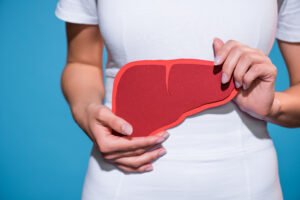
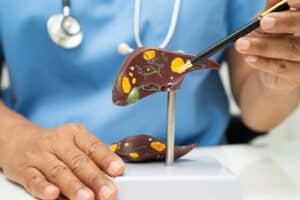
Fatty liver disease is one of the most common health conditions in the UK. Around 1 in 5 people are thought to have extra fat stored in their liver. Most of them have no idea.
Here is the part that often gets missed: the condition does not always behave the same way in women as it does in men. The age it appears, the symptoms it causes and the risks it carries can all be different. A lot of that comes down to hormones.
This guide explains what those differences are, why they happen, and what you can do about them.
A quick reminder: what fatty liver disease is
Your liver is meant to hold a small amount of fat. Fatty liver disease is when too much fat builds up inside it.
Doctors now call the most common type MASLD, which stands for metabolic dysfunction-associated steatotic liver disease. You may still see the older name, NAFLD. If you would like the full picture, our guide on the difference between MASLD and NAFLD breaks it down in simple terms.
The condition is linked to things like weight, type 2 diabetes, high blood pressure and cholesterol. In the early stages, it usually causes no pain and no obvious warning signs. Over many years, it can lead to swelling, then scarring of the liver, which is much harder to undo.
Why women and men are not the same
The main reason is a hormone called oestrogen.
Oestrogen does more than control periods. It also helps your body decide where to store fat and how well it responds to insulin, the hormone that manages blood sugar. While oestrogen levels are high, it acts a bit like a shield for the liver. Fat is more likely to be stored on the hips and thighs than around the organs in your middle.
That is why, in general, women under 50 are less likely to have fatty liver disease than men of the same age.
Then things shift. As women move through perimenopause and menopause, oestrogen levels fall. Fat starts to settle around the middle instead, and the body can become less sensitive to insulin. The gap between women and men narrows, and in older age groups the rates in women can catch up or overtake.
If you want to understand the wider changes going on at this stage of life, read our article on how your body changes during perimenopause.
Fatty liver disease in women: before and after menopause
| What changes | Before menopause | After menopause |
| Oestrogen levels | Higher, and fairly steady | Much lower |
| Where fat is stored | More on hips and thighs | More around the middle and organs |
| Chance of fatty liver | Lower than men of the same age | Similar to or higher than men |
| Insulin and blood sugar | Usually easier to manage | Often harder to manage |
| Risk of liver scarring | Lower | Rises with age |
| Main risk groups | Women with PCOS, type 2 diabetes or a higher weight | Most women, especially with weight gain around the middle |
Symptoms in women: what to look out for
Early fatty liver disease is quiet. When symptoms do turn up, they are usually vague, and this is where women can be let down.
Common signs include:
- Tiredness that sleep does not fix
- A dull ache or feeling of fullness under the ribs on your right side
- Feeling generally unwell or run down
- Trouble concentrating, sometimes described as brain fog
- Weight gain around the middle
- Feeling sick or losing your appetite
The problem is obvious once you say it out loud. Tiredness, brain fog, weight changes and aches are also symptoms of perimenopause, an underactive thyroid, iron deficiency and stress. All of these are common in women. So the liver is often the last thing anyone thinks of, and the symptoms get put down to something else.
Because early symptoms are so easy to explain away, it is worth knowing the early signs most people miss before they become a bigger problem.
Life stages that raise the risk for women
PCOS
Polycystic ovary syndrome affects around 1 in 10 women in the UK. It changes how the body handles insulin and male-type hormones, and it is strongly linked with fat building up in the liver. Many women with PCOS have some degree of fatty liver without ever being tested for it.
Pregnancy-related conditions
Women who had gestational diabetes, or high blood pressure during pregnancy, have a higher chance of metabolic problems later on. That includes fatty liver disease.
Perimenopause and menopause
This is the biggest turning point. Falling oestrogen, weight gain around the middle and rising cholesterol often arrive together, usually across the mid-forties to mid-fifties.
Two things women are often not told
You do not have to be overweight. Fatty liver disease can affect women who are a healthy weight, particularly if body fat sits around the middle or there is a family history of diabetes. A normal number on the scales is not proof that your liver is fine.
Alcohol hits women’s livers harder. Women’s bodies break alcohol down more slowly than men’s, so the liver is exposed to more of it for longer. Liver damage can happen at lower amounts and over a shorter time than it would in a man drinking the same. If you already have fat in your liver, alcohol adds to the pressure. The British Liver Trust’s guide to fatty liver disease explains this in more detail.
How it is checked
There is no single test that tells you everything, so doctors usually build up a picture.
- Blood tests. These check liver enzymes. Useful, but not perfect, because results can look normal even when fat is present.
- Ultrasound scan. A painless scan that can show fat in the liver.
- FibroScan. A special scan that measures how stiff the liver is, which helps show whether scarring has started.
- Scores based on your details. Doctors may use your age, blood results and other measurements to work out your risk.
If you have symptoms that will not go away, ask your GP directly about your liver rather than waiting for it to be suggested.
What actually helps
There is still no medicine licensed in the UK specifically for fatty liver disease. That is exactly why research matters. For now, the things that make the biggest difference are:
- Losing a modest amount of weight if you carry extra, since even a small loss can reduce liver fat
- Cutting back on sugary drinks and heavily processed food
- Moving more, aiming for regular activity across the week
- Keeping alcohol low, or stopping
- Getting blood pressure, cholesterol and blood sugar checked and managed
The good news is that in the early stages, fatty liver disease can often be improved and sometimes reversed.
Why research needs women
For a long time, medical research included far more men than women. That is a problem for a condition so closely tied to hormones. If a treatment is mostly tested on men, it is harder to know how well it works for a woman going through menopause.
Clinical trials help close that gap. At 4MCS we run ethically approved studies into fatty liver disease, testing possible new treatments under MHRA approval and Good Clinical Practice standards. Participants receive regular health checks, liver tests and specialist support along the way, and their results help shape treatments for everyone who comes after them.
Find a fatty liver trial near you
4MCS runs fatty liver disease clinical trials from two clinics, and both are recruiting participants now.
- London: our Ilford clinic in East London has been running studies since 2019. It is a short walk from Ilford railway station and is served by several bus routes.
- Manchester: our Swinton clinic in Greater Manchester sits in M60 Office Park with free parking on site, about ten minutes from Swinton train station.
You can see every study we are recruiting for on our current clinical trials page.
To take part, most fatty liver studies ask that you are 18 or over, have a diagnosis of fatty liver disease, and have at least one linked health condition such as type 2 diabetes, high blood pressure or a higher weight. A research nurse will talk everything through with you first, and you can stop at any point.
Call us free on 03300 575 838, email volunteer@4mcs.co.uk, or register your interest online.